orient · updated Aug 23, 2026
How storage shapes the purchase decision
Storage is not an afterthought to the purchase — it is a filter applied before any form comparison. The five questions your storage place answers.

Most buyers treat storage as a problem to solve after the product is chosen. It works better in reverse: the storage place is a filter you apply before any comparison, because it can eliminate options on its own.
The five questions your storage place answers
- Footprint. How much floor does the stored item occupy — length, depth, and height with clearance? This single answer removes whole form directions.
- Position. Upright, lying, or boxed? Each position has a different footprint and a different re-stowing routine.
- Surface. What stands under and around it — stable, level, away from heat and direct sunlight?
- Covering. What protects it from dust and from dye transfer off nearby fabrics?
- Discretion. How quickly can it be stowed and retrieved, and by whom?
A place that answers all five comfortably is a storage plan. A place that answers three of them is a constraint — workable, but it decides which forms are eligible.
How the filter actually filters
The mechanism is unglamorous: a form that cannot be stored cannot be purchased. Limited footprint pushes toward compact and torso directions. A need to hide the item pushes toward forms that stow quickly. Frequent moves push toward whatever your moving routine — not your preference — can sustain.
None of this says anything about you. A small apartment is a condition, not a verdict; planning around it is exactly what the check is for.
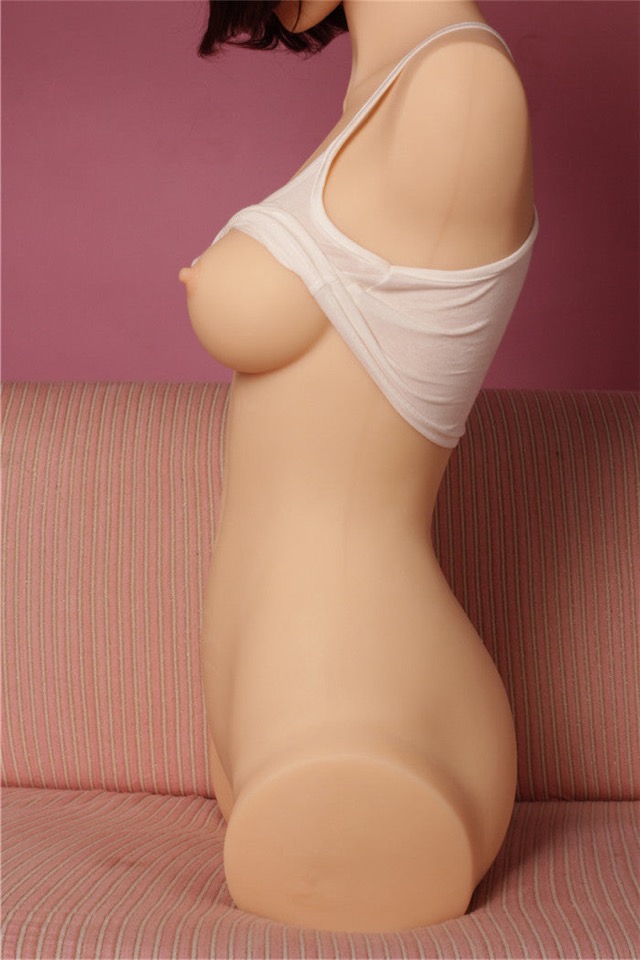
The two-way mistake to avoid
- Choosing first, storing later — the classic. The form gets chosen on screen, and the storage question surfaces on delivery day, when it is expensive.
- Over-solving storage — building an elaborate solution for a form you did not actually want. Measure first, then let the measurements narrow the forms, then choose inside what remains.
What storage never tells you
Your storage place cannot tell you what a specific product weighs or how it is packed — those numbers belong to the product page. Storage tells you the constraints; the specs tell you whether a given product meets them.
Run the space check to see whether storage is your current deciding factor, or open the storage checklist group and start measuring.